How Loft Conversions Can Improve Your Home’s Energy Efficiency
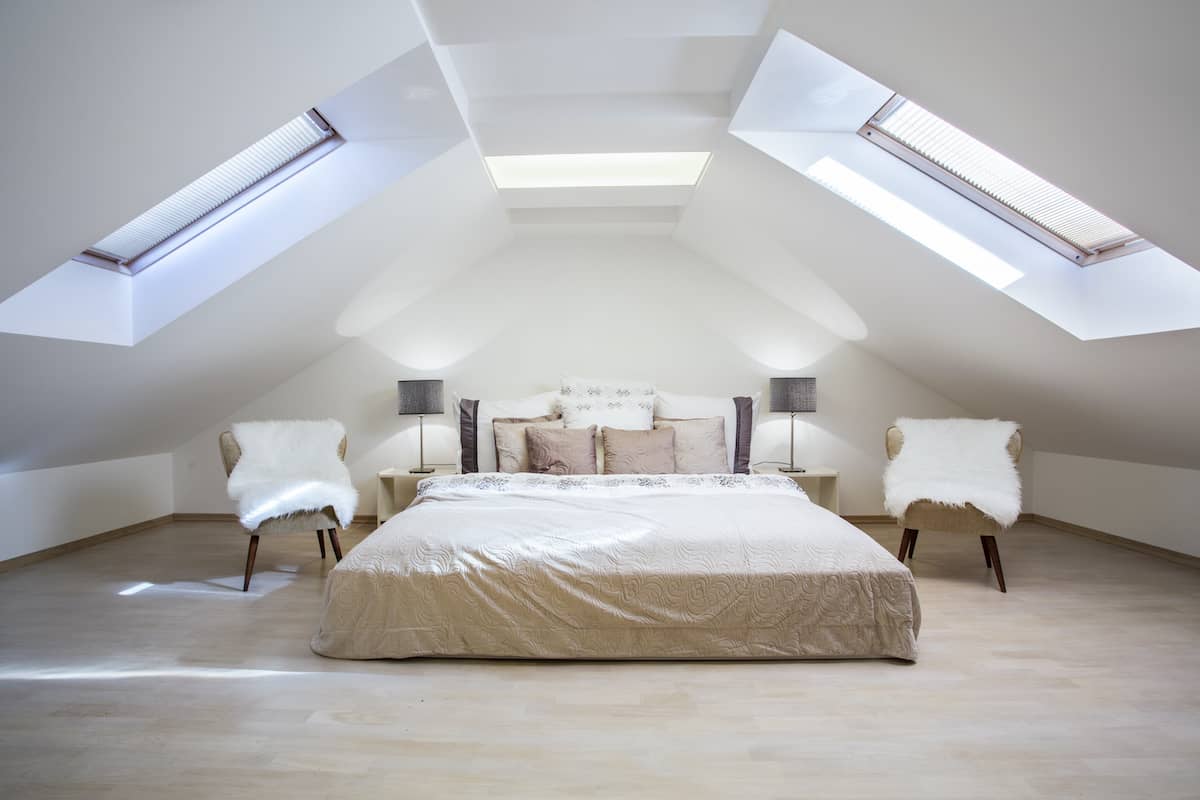
Loft conversions are often pursued to unlock valuable square footage, transforming underutilised attics into stylish new living areas. Yet, while additional space is the immediate prize, the process offers another significant advantage: the chance to improve your home’s energy efficiency drastically. A well-planned conversion can reduce utility bills, stabilise indoor temperatures, and future-proof your property against rising energy costs.
Energy Efficiency and Building Regulations
Every loft conversion must comply with Building Regulations, which ensure safe construction and appropriate energy performance. A central measure within these rules is the U-value, a calculation of how well a structure resists heat loss. Regulations stipulate that new lofts should achieve a U-value of 0.18W/m² or lower. Meeting this standard requires insulation between and beneath rafters, ensuring minimal thermal leakage.
However, the minimum requirement is just that—a baseline. Many homeowners choose to exceed it, recognising that investing in higher-quality insulation pays long-term dividends in reduced bills and enhanced comfort.
The Power of Insulation
Insulation is the hero of energy efficiency. By retaining warmth in winter and resisting excess heat in summer, it transforms the usability of a loft into a year-round living space.
Beyond thermal performance, generous insulation improves acoustics, muffling external noise and reducing the echo often present in bare roof spaces.
It also creates a more stable indoor climate, shielding the room from seasonal extremes that can make upper floors notoriously uncomfortable.
Windows That Work Harder
No loft feels complete without natural light, yet poorly chosen windows can undermine efficiency gains. Opting for A+-rated double glazing—or, better still, triple glazing—minimises heat loss and ensures a consistently cosy space.
The benefits extend further: noise intrusion is reduced, condensation is less likely to build up, and comfort levels rise noticeably. High-performing windows transform a loft from a draughty afterthought into a polished, energy-conscious extension of the home.
Read More: 3 Design Tips for Your Home Extension
Heating Smarter, Not Harder
Adding heating to a loft is often essential, but the key lies in control. Radiators fitted with thermostatic valves provide tailored regulation, preventing unnecessary energy waste. Meanwhile, integrating smart home technology offers complete oversight, allowing homeowners to manage heating remotely. These systems can adapt to usage patterns, ensuring warmth only when required. In fact, upgrading heating controls alone can shave up to £120 annually from household energy bills, making this a practical and financially sound improvement.
Lighting the Loft with Less Energy
Lighting consumes around 15% of an average household’s electricity bill, making the loft conversion an opportune moment to modernise. Replacing old fittings with high-efficiency LEDs not only reduces energy use but also extends bulb life significantly.
A simple swap could cut £35 from annual costs, while also providing brighter, cleaner illumination ideally suited to a newly converted space.
Consider Installing Solar Panels
One of the most strategic opportunities presented during a loft conversion is the chance to integrate solar panels. Since scaffolding may already be in place for roof access, installation costs can be reduced.
A south-facing roof with an optimal pitch offers the best yield, while lifestyle factors—such as being at home during daylight hours—determine the true return on investment. Beyond financial savings, combining a loft conversion with solar PV installation represents a forward-thinking approach to sustainability.
Read More: Garage Conversion vs Extra Room: What Adds More Value?
Beyond the Loft: Ripple Effects Across the Home
While the focus may be on the converted attic, energy efficiency improvements have a way of rippling across the entire property. Better insulation reduces overall heat loss, upgraded controls refine household energy use, and modern glazing elevates comfort throughout. These interventions not only lower day-to-day costs but also strengthen the long-term value of the property, aligning it with the expectations of an increasingly eco-conscious housing market.
Get In Touch Today!
Elevate your attic or loft space into an energy-saving masterpiece with Asset Design & Build. If you are considering a loft extension, our expert team delivers bespoke solutions that enhance your home and lifestyle.
Proudly serving Uxbridge, Watford, Windsor, Ruislip, The Chalfonts, Hillingdon, Pinner, Amersham, Rickmansworth, and Ealing, we specialise in creating tailored living spaces that combine practicality with style.
Contact Asset Design & Build for a free consultation and start planning your perfect loft conversion.
Contact Us
Contact us today for more design tips and advice, and if you’re thinking about adding an extension to your home, we’ll work with you to design your dream extension and bring your ideas to life.